

In a world where businesses depend on uninterrupted electricity, reliable backup power is essential for maintaining productivity, protecting equipment, and supporting daily operations. From manufacturing plants and construction sites to hospitals, commercial buildings, and data centers, diesel generators provide dependable electricity when the main power supply becomes unavailable. Choosing the right diesel generator manufacturer is therefore an important decision that can influence operational efficiency, maintenance costs, and long-term performance. Understanding generator specifications, manufacturing quality, and after-sales support helps businesses make informed decisions that meet their power requirements.
Why Choosing the Right Diesel Generator Manufacturer Matters
A dependable manufacturer does more than supply a generator. It helps customers identify suitable power capacities, understand technical specifications, and select equipment designed for their operating environment. Manufacturing standards, component quality, cooling systems, and control technologies all influence reliability. A well-matched generator can support essential operations during unexpected outages while helping businesses avoid unnecessary equipment expenses. For example, a factory with sensitive production machinery may require different generator features from a construction company operating equipment at a remote site.
Understanding Generator Capacity and Power Requirements
Before purchasing a diesel generator, businesses should calculate their total electricity demand. Consider the combined wattage of essential equipment, starting currents for electric motors, and potential future expansion. Generators are commonly rated in kilowatts (kW) or kilovolt-amperes (kVA), and these measurements are not interchangeable. Selecting an undersized unit may cause overloads, while an oversized generator can increase purchasing and operating costs. Consulting an experienced manufacturer helps ensure that the generator matches the facility’s actual electrical requirements.
Engine Quality and Manufacturing Standards
The engine is one of the most important components of a diesel generator. A reliable engine should deliver consistent performance, withstand demanding operating conditions, and support the expected workload. Alternator quality, electrical controls, cooling arrangements, and assembly precision also affect overall performance. Buyers should examine technical documentation, component specifications, quality-control procedures, and applicable certifications before placing an order. Manufacturers that maintain traceable inspection processes and conduct appropriate testing can help customers evaluate equipment quality more confidently.
Fuel Efficiency and Long-Term Operating Costs
Fuel consumption significantly influences the total cost of owning a diesel generator. Actual consumption depends on engine design, electrical load, maintenance condition, and operating environment. Businesses should request fuel-consumption figures at different load levels instead of relying solely on general efficiency claims. Regular servicing, clean air filters, appropriate engine oil, and correctly sized equipment can help maintain performance. Comparing purchase price alongside fuel use, spare parts, servicing, and expected operating hours provides a more realistic picture of long-term value.
Explore Different Types of Diesel Generators
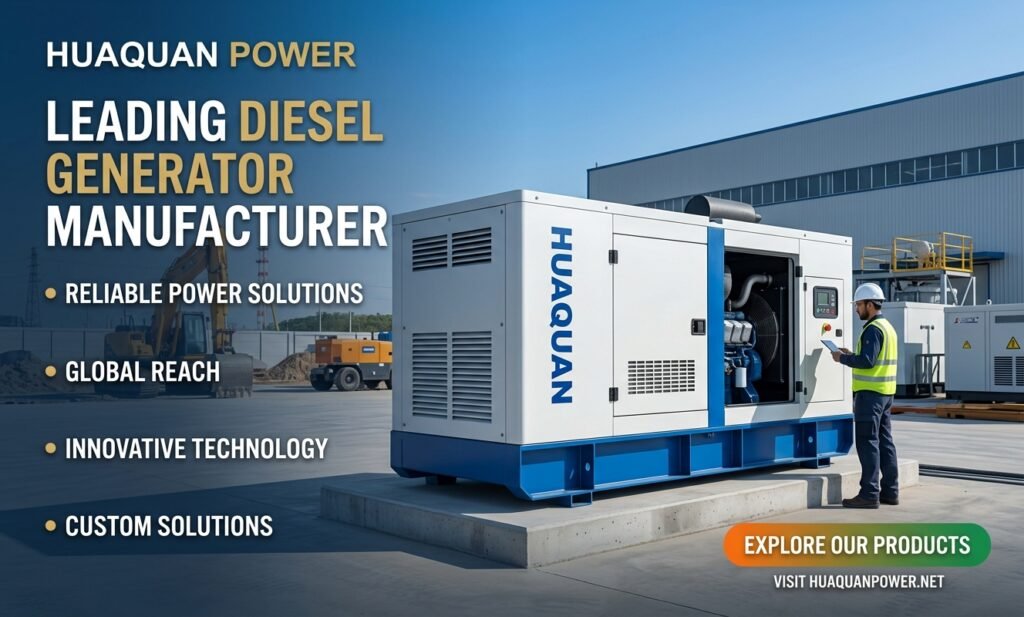
Different applications require different generator configurations. Open-frame models can suit dedicated generator rooms or industrial sites where noise control is less restrictive. Silent generators use sound-attenuating enclosures, making them useful for commercial facilities and noise-sensitive locations. Trailer-mounted units offer greater mobility for temporary projects, while containerized systems can support larger installations and demanding outdoor applications. A suitable manufacturer should explain the advantages and limitations of each configuration, helping buyers choose equipment that fits their installation space, operating conditions, and transportation needs.
Smart Monitoring and Modern Generator Technology
Modern generator systems increasingly incorporate digital controls that help operators monitor performance and identify potential problems. Depending on the model, these systems may display operating hours, temperature, voltage, frequency, and warning indicators. Remote monitoring can also improve oversight of generators installed at multiple locations. Huaquan Power describes an A8 monitoring system designed to support operating-data monitoring, remote control, and fault alerts. Buyers should confirm which functions are included in their selected model and whether connectivity requirements are compatible with their facilities.
Safety, Installation, and Environmental Considerations
Correct installation is essential for safe and dependable generator operation. A suitable location should provide adequate ventilation, exhaust discharge, weather protection, and access for maintenance. Diesel generators produce exhaust gases, including carbon monoxide, so they must never operate in enclosed or inadequately ventilated spaces. Electrical connections, grounding, fuel storage, and transfer switches should be designed and installed by qualified professionals. Buyers should also review local noise restrictions, emissions requirements, and fire-safety regulations before installation to reduce risks and support compliance.
Maintenance Practices That Protect Generator Performance
Preventive maintenance helps extend generator service life and reduce unexpected interruptions. Businesses should follow the manufacturer’s recommended service schedule and keep accurate maintenance records. Important tasks include checking engine oil and coolant, inspecting fuel systems, replacing filters when required, examining batteries, and testing control functions. Periodic operational testing can help identify developing problems before an emergency occurs. Staff should also know how to recognize warning indicators and arrange professional servicing. A clear maintenance plan makes equipment management more predictable and supports dependable performance over time.
After-Sales Support and Spare Parts Availability
Even well-built generators require occasional servicing and replacement components. Before choosing a supplier, ask about warranty coverage, technical assistance, spare-parts availability, troubleshooting support, and service arrangements in your region. International buyers should clarify shipping responsibilities, delivery schedules, documentation, and communication procedures. Strong after-sales support can be especially valuable for factories, hospitals, and construction projects where prolonged downtime creates significant disruption. Comparing these services alongside technical specifications helps buyers distinguish a dependable long-term supplier from a company focused primarily on the initial sale.
Why Consider Huaquan Power for Generator Solutions?
Businesses researching generator suppliers can explore Huaquan Power, a manufacturer offering diesel generator sets and other power equipment for industrial and commercial applications. Its published product information describes diesel generators in various configurations, including silent, mobile, and containerized models, with options across different power capacities. The company also highlights customization and intelligent monitoring capabilities. Buyers should review the specifications relevant to their project, verify certifications and warranty terms, and request a detailed quotation before making a purchasing decision.
For organizations comparing suppliers, the official diesel generator manufacturer website is a useful starting point for exploring available equipment and contacting the company about project requirements. Requesting technical datasheets and discussing operating conditions can help determine whether a particular model is suitable for the intended application.
A Practical Checklist Before Buying
Use the following checklist to make a more informed purchasing decision:
-
Calculate current electrical demand and allow for appropriate starting loads and future expansion.
-
Compare generator ratings, engine specifications, fuel consumption, and operating modes.
-
Confirm installation requirements, noise levels, and applicable safety standards.
-
Review warranty conditions, maintenance schedules, and spare-parts availability.
-
Request a written quotation covering equipment, delivery, installation, and relevant accessories.
-
Verify technical claims and confirm that the selected configuration meets project requirements.